





















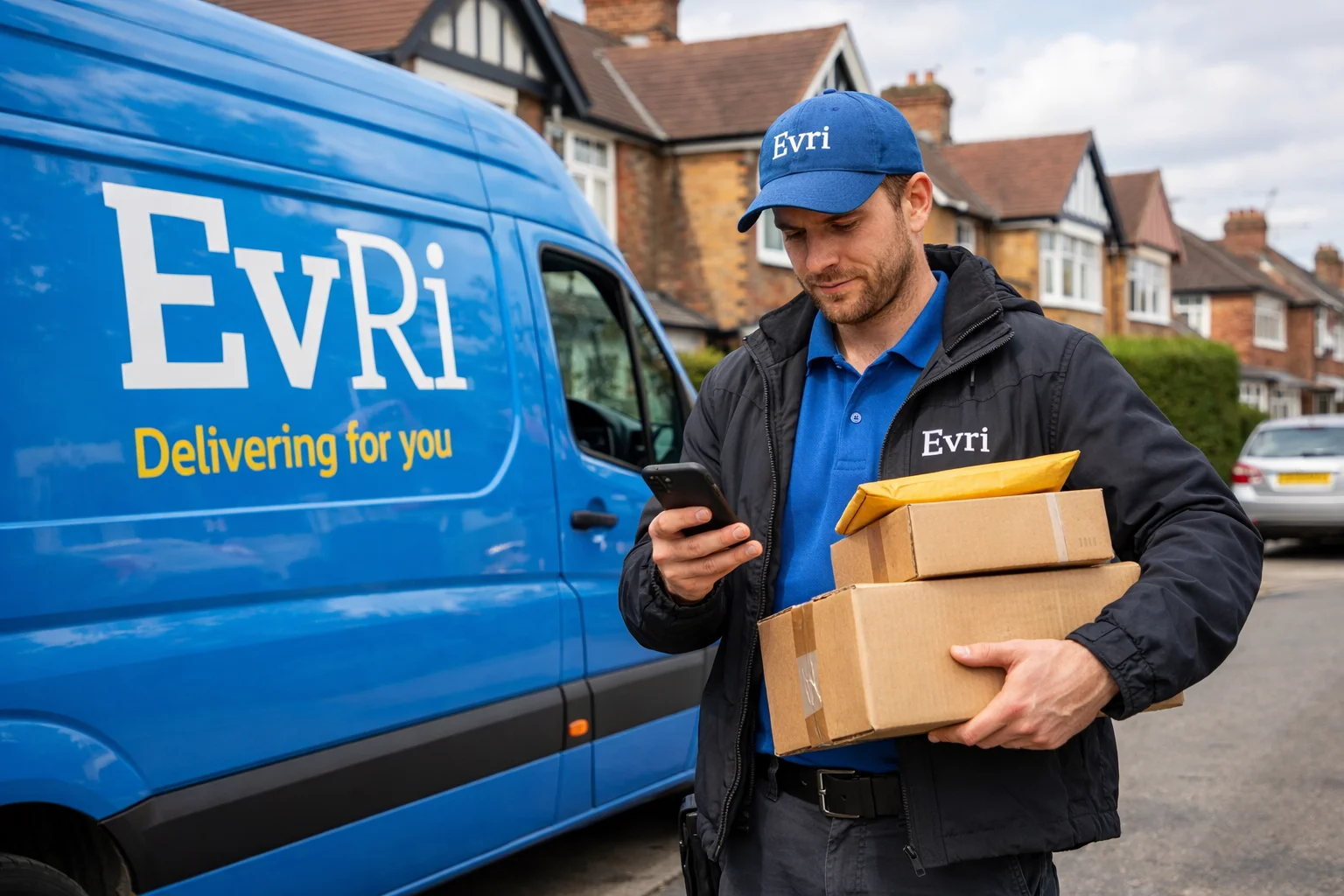
Evri driver pay in the UK varies, but most couriers earn between £500 and £600 per week, with annual earnings typically ranging from £20,000 to £30,000.
Since drivers are self-employed and paid per parcel, income depends heavily on delivery volume, efficiency, and location rather than a fixed salary.
Key takeaways:
- Evri drivers are paid per parcel, usually £0.35 to £1.20 per delivery
- Average hourly earnings range from £11 to £17, sometimes higher in peak periods
- Daily income is typically £60 to £100+, depending on workload
- Weekly pay averages around £500 to £600 for full-time drivers
- Monthly earnings range from £1,200 to £2,500+
- Drivers are usually paid weekly, not monthly
- Expenses like fuel, insurance, and vehicle costs reduce actual take-home pay
How Much Do Evri Drivers Earn in the UK on Average?
Evri driver pay in the UK is not fixed because most couriers operate on a self-employed basis. This means there is no standard salary, and earnings depend largely on workload, delivery speed, and location.
Instead of receiving a monthly wage, drivers are paid based on completed deliveries, which creates a wide earning range across the workforce.
On average, Evri drivers earn between £11 and £17 per hour under normal conditions. During peak seasons or when incentives are applied, this can increase to £15 to £20 or more per hour. However, these figures are not guaranteed and often reflect gross earnings before expenses are deducted.
To understand the earning structure more clearly, the following table outlines typical income ranges:
| Time Frame | Average Earnings | High-End Potential |
| Hourly | £11 – £17 | £15 – £20+ |
| Daily | £60 – £100 | £120+ |
| Weekly | £500 – £600 | £700+ |
| Monthly | £1,200 – £2,500 | £2,800+ |
| Yearly | £20,000 – £30,000 | £32,000+ |
These figures highlight that Evri driver pay in the UK varies depending on effort and external conditions. Drivers who consistently deliver high parcel volumes and operate in dense delivery areas tend to achieve higher earnings.
One important factor to consider is that these earnings are not equivalent to salaried employment. Since drivers cover their own expenses, the net income can be significantly lower than the gross figures shown above.
How Much Do Evri Drivers Earn Per Parcel, Day, Week, Month, and Year?

How Much Do Evri Drivers Earn Per Parcel?
Evri operates on a per-parcel payment model, which is central to understanding how drivers earn money. Instead of being paid hourly, drivers receive a fixed rate for each successful delivery.
Typical per-parcel rates in the UK are as follows:
| Parcel Type | Typical Rate |
| Small parcels | £0.35 – £0.60 |
| Standard parcels | £0.60 – £1.00 |
| Larger parcels | £1.00 – £1.20 |
These rates can vary depending on delivery complexity, parcel size, and location. Urban deliveries may allow drivers to complete more drops in less time, increasing overall income.
A courier with experience in multiple delivery networks explained the reality clearly:
“You might see a pound per parcel and assume it adds up quickly, but if you’re driving long distances between stops, that time reduces your effective earnings.”
Factors that influence per-parcel earnings include:
- Delivery density within a route
- Type and size of parcels
- Accessibility of delivery locations
Drivers who optimise their routes and minimise travel time between stops are generally able to increase their effective hourly rate.
How Much Do Evri Drivers Earn Per Day in the UK?
Daily earnings depend on how many parcels a driver can deliver within their working hours. Most drivers earn between £60 and £100 per day, although higher figures are possible during busy periods.
The following table shows typical daily scenarios:
| Parcels Delivered | Rate per Parcel | Estimated Daily Earnings |
| 80 parcels | £0.60 | £48 |
| 100 parcels | £0.80 | £80 |
| 120 parcels | £1.00 | £120 |
These examples demonstrate how strongly income is tied to parcel volume. Drivers who can deliver more parcels in a shorter time frame tend to achieve better daily earnings.
Location plays a critical role. In urban areas, shorter distances between delivery points allow drivers to complete more drops. In rural areas, longer travel times reduce the number of deliveries possible in a day.
How Much Do Evri Drivers Earn a Week?
Weekly earnings provide a clearer picture of consistent income. Full-time Evri drivers typically earn between £500 and £600 per week, although this can increase with higher workloads.
Here is a breakdown of weekly earnings based on different working patterns:
| Work Type | Parcels per Week | Estimated Weekly Earnings |
| Part-time | 300 – 500 | £180 – £400 |
| Full-time | 700 – 900 | £500 – £600 |
| High volume | 1,000+ | £700+ |
Drivers who treat the role as a full-time job and consistently deliver large volumes are more likely to reach the upper end of this scale.
How Much Do Evri Drivers Earn a Month?
Monthly earnings vary depending on workload consistency and seasonal demand. On average, drivers earn between £1,200 and £2,500 per month.
Seasonal trends significantly impact earnings. During peak periods such as Christmas, Black Friday, and other retail surges, parcel volumes increase, allowing drivers to earn more.
The table below shows how monthly income can fluctuate:
| Scenario | Monthly Earnings |
| Part-time work | £1,200 – £1,600 |
| Standard full-time | £1,800 – £2,200 |
| Peak season | £2,300 – £2,800+ |
This variability highlights the importance of planning for quieter months when parcel volumes drop.
How Much Do Evri Drivers Earn a Year in the UK?
Annual earnings for Evri drivers generally fall between £20,000 and £30,000. Some experienced drivers working high-volume routes may exceed this range.
The following table compares annual earnings across different delivery roles:
| Job Role | Average Annual Earnings |
| Evri driver | £20,000 – £30,000 |
| Amazon Flex | £25,000 – £35,000 |
| DPD courier | £28,000 – £40,000 |
While Evri offers flexibility, other delivery roles may provide higher earning potential depending on structure and workload expectations.
Do Evri Pay Weekly or Monthly?
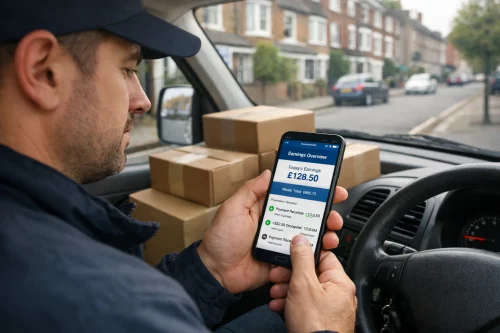
Evri pays drivers on a weekly basis, which is a key feature of the role. This payment structure allows drivers to maintain regular cash flow, especially important given the ongoing expenses associated with self-employment.
Payments typically include:
- Completed delivery payments
- Performance incentives
- Seasonal bonuses
Weekly payments can help drivers manage costs such as fuel and vehicle maintenance more effectively. However, since income depends on completed deliveries, weekly pay can fluctuate.
What Factors Affect How Much Evri Drivers Earn?
Number of Parcels Delivered
The number of parcels delivered is the most significant factor affecting earnings. Higher parcel volumes directly translate to higher income.
Drivers who consistently deliver large volumes tend to earn more, especially if they can maintain efficiency throughout their routes.
Delivery Route Location
Location has a major impact on earning potential. Urban routes often provide better opportunities because deliveries are closer together. Rural routes may involve longer travel distances, reducing delivery efficiency.
Hours Worked and Efficiency
Efficiency plays a crucial role in determining how much drivers earn. Those who plan their routes effectively and minimise downtime can complete more deliveries within the same timeframe.
A driver with extensive courier experience described this clearly:
“It’s not just about working longer hours. If your route is well organised, you can deliver more parcels in less time and increase your overall earnings.”
Costs Including Fuel, Insurance, and Vehicle Maintenance
Since Evri drivers are self-employed, they must cover all operational costs. These expenses can significantly reduce take-home pay.
Typical costs include:
| Expense Type | Estimated Monthly Cost |
| Fuel | £200 – £400 |
| Vehicle maintenance | £50 – £150 |
| Insurance | £100 – £200 |
These expenses highlight the importance of considering net income rather than gross earnings when evaluating the role.
What Are the Pros and Cons of Working as an Evri Driver?

Advantages of Evri Delivery Work
Working as an Evri driver offers flexibility that is not always available in traditional employment. Drivers can choose their working hours and increase their earnings by taking on more deliveries.
Key advantages include:
- Flexible working schedule
- Opportunity to increase income with higher parcel volumes
- No strict earning cap
Disadvantages and Challenges
Despite the flexibility, there are several challenges associated with the role. Income is not guaranteed, and drivers must manage their own expenses.
Common disadvantages include:
- Lack of stable income
- Responsibility for all operational costs
- Physically demanding workload
- Income variability depending on season
These factors make it important for individuals to carefully assess whether the role aligns with their financial and lifestyle needs.
How Does Evri Driver Pay Compare to Other UK Delivery Jobs?
Evri driver pay is generally competitive within the gig economy but differs in structure compared to other delivery services.
Amazon Flex often provides higher hourly rates, but drivers may have less flexibility in choosing shifts. DPD, on the other hand, may offer more structured routes and potentially higher annual earnings, but with stricter performance expectations.
The key difference lies in how income is generated. Evri focuses on per-parcel payments, while other companies may offer a combination of hourly pay and performance incentives.
Drivers choosing between these options should consider:
- Flexibility versus income stability
- Expense responsibility
- Workload expectations
Each delivery platform offers different advantages, and the best choice depends on individual priorities and working preferences.
Is Being an Evri Driver Profitable After Expenses in the UK?
While gross earnings for Evri drivers may appear reasonable, actual profitability depends on how much is left after expenses. Since drivers are self-employed, they must deduct all operating costs before calculating their real income.
The most common expenses include fuel, vehicle wear and tear, insurance, and occasional repairs. These costs can vary depending on distance travelled, fuel efficiency, and the type of vehicle used.
The table below shows a realistic monthly profit breakdown:
| Category | Amount (£) |
| Gross monthly income | £2,000 |
| Fuel costs | £300 |
| Insurance | £150 |
| Maintenance | £100 |
| Other expenses | £50 |
| Estimated net income | £1,400 |
This example shows that a driver earning £2,000 per month may realistically take home around £1,400 after expenses.
Profitability improves when drivers:
- Operate in compact delivery areas
- Use fuel-efficient vehicles
- Optimise routes to reduce mileage
Drivers who track their expenses carefully and adjust their working patterns tend to achieve better financial outcomes.
How Can Evri Drivers Increase Their Earnings in the UK?

Increasing earnings as an Evri driver requires a combination of efficiency, planning, and consistency. Since income is directly linked to the number of parcels delivered, improving delivery performance can significantly impact overall pay.
One of the most effective ways to increase earnings is by improving route efficiency. Drivers who plan their delivery order carefully can reduce travel time and complete more drops in a shorter period.
The table below highlights strategies and their potential impact:
| Strategy | Impact on Earnings |
| Route optimisation | Higher parcels per hour |
| Working peak seasons | Increased parcel volume |
| Delivering in urban areas | Reduced travel time |
| Consistent working hours | Stable weekly income |
In addition to efficiency, timing plays an important role. Peak periods, such as holiday delivery and major sales events, often bring higher parcel volumes and temporary bonuses.
Drivers who approach the role strategically rather than casually are more likely to reach higher earning brackets.
Ultimately, increasing income as an Evri driver depends on balancing workload, efficiency, and cost management. Those who continuously refine their approach tend to see more consistent and higher returns over time.
Conclusion
So, how much do Evri drivers earn in the UK? The answer depends largely on how much they work and how efficiently they deliver parcels. While average earnings range from £20,000 to £30,000 per year, actual take-home pay can vary due to expenses and workload.
For those who are organised and willing to put in consistent effort, Evri can provide a flexible way to earn income. However, it is important to understand the realities of self-employment and the costs involved before getting started.
FAQs
Can you make a full-time income as an Evri driver?
Yes, many drivers earn a full-time income, typically between £500 and £600 per week, although this depends on workload and efficiency.
Do Evri drivers get paid fuel costs?
No, drivers are responsible for their own fuel and vehicle expenses, which can impact overall earnings.
How many parcels do Evri drivers deliver per day?
This varies, but many drivers deliver between 50 and 150 parcels daily depending on their route.
Are Evri drivers self-employed?
Yes, most Evri couriers operate as self-employed contractors rather than employees.
What vehicle is required to work for Evri?
Drivers typically need access to a reliable car or van suitable for parcel deliveries.
Is Evri better than other courier jobs in the UK?
It depends on personal preference. Evri offers flexibility, while other companies may provide more structured pay.
Can beginners become Evri drivers?
Yes, Evri is accessible to beginners, although understanding routes and managing time efficiently is important.