
























The popularity of solar panels has soared in recent years, but one question often lingers: what happens to all that excess energy when the sun is shining but the home doesn’t need it? This is where solar battery storage steps in.
By storing surplus electricity for later use, it bridges the gap between when power is produced and when it’s actually needed.
For many households, the idea of storing energy is appealing. It promises greater independence from the grid, protection against power cuts, and the chance to maximise the return on investment from solar panels.
But as with any technology, the benefits come with important trade-offs. This article explores how solar batteries work, their advantages and drawbacks, and the factors that determine whether they’re truly worth it.
How Solar Battery Storage Works?
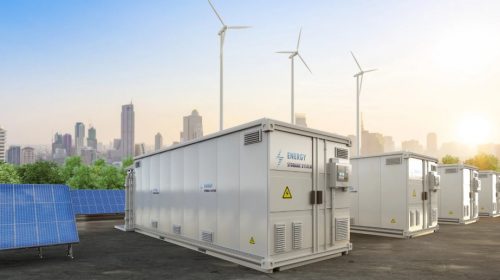
Solar panels generate the most electricity during midday, often when household demand is at its lowest. Without storage, that excess power flows back to the grid.
With a battery, however, the surplus is stored for use in the evening, during cloudy days, or at times of peak demand.
When the grid goes down, batteries can also step in. Depending on the installation, they can power essential appliances such as fridges, lights, or medical equipment ensuring resilience during outages.
In this way, solar battery storage transforms solar from a daytime resource into a round-the-clock energy solution.
Benefits of Solar Battery Storage
Energy Independence & Backup Power
One of the biggest attractions of solar batteries is the promise of energy independence. Households can tap into stored electricity overnight or in bad weather, reducing reliance on the grid.
Unlike fuel-powered generators, batteries are silent, require no fuel deliveries, and can be configured to provide automatic backup during blackouts.
Grid Stability & Virtual Power Plants
Solar batteries also provide benefits beyond individual homes. When linked together, thousands of domestic batteries can form “virtual power plants”.
These decentralised networks help balance supply and demand, reduce pressure on the grid, and even prevent blackouts.
Recent projects in regions such as California and Texas have demonstrated how aggregated storage can keep the lights on during extreme weather events.
Carbon Footprint Reduction
By maximising self-consumption of clean solar power, batteries help households cut their carbon footprint.
Instead of pulling electricity from fossil-fuel-dominated grids in the evening, homeowners can rely on the renewable energy they generated earlier in the day.
Financial Incentives & Long-Term Savings
Governments and utilities have recognised the value of solar plus storage, and many offer financial incentives to make adoption easier.
In the US, for example, the federal tax credit covers around 30% of installation costs, reducing the typical upfront bill by several thousand dollars. State and utility rebates can lower costs even further.
Studies show that with these incentives, a significant proportion of homes can achieve long-term savings.
Batteries also cost less to operate than fuel-powered generators, since they require minimal maintenance and are refilled by free solar energy rather than expensive fuel deliveries.
Time-of-Use (TOU) Pricing Optimisation
In areas with time-of-use pricing, where evening electricity rates can be double or triple daytime rates, solar batteries offer further savings.
By storing energy when it’s abundant and releasing it when grid prices spike, homeowners can avoid costly peak tariffs.
Drawbacks & Considerations
High Upfront Cost
The most significant barrier remains cost. A typical home battery system can run from £9,000 to £16,000, depending on size and configuration. Additional electrical work, such as installing sub-panels, may add further expense.
Storage Capacity & Practicality
Batteries aren’t bottomless. One or two units may cover lighting, refrigeration, and internet during an outage, but whole-home backup usually requires multiple units, which significantly increases the price.
Efficiency, Lifespan & Space Requirements
No storage system is perfectly energy efficient. Some energy is always lost between charging and discharging.
Batteries also have finite lifespans, measured in charging cycles, meaning replacement is inevitable after a decade or so. On top of that, they take up physical space, typically in garages or utility rooms.
Environmental Impact
Although they enable more renewable energy use, batteries are not without environmental cost.
Mining and processing raw materials such as lithium and cobalt carry ecological impacts. Recycling and responsible disposal at the end of life are essential to reduce harm.
Payback Period & Net Metering
The economics of batteries depend heavily on local policy. In areas where full retail net metering is available meaning households are credited at retail rates for excess solar exported to the grid the financial case for batteries can be weaker.
In regions without it, however, batteries often make more sense, especially when combined with incentives and TOU savings.
Comparing Alternatives
Batteries vs. Generators
Traditional generators are still a popular backup choice, especially in rural areas. They can power an entire home and are less expensive upfront. However, they require fuel, produce emissions, and carry risks such as carbon monoxide poisoning.
By contrast, batteries are silent, emission-free at the point of use, and safer. The trade-off is cost and capacity: most residential batteries are designed to cover essentials, not every single appliance.
Regional & Policy Impacts

The value of solar storage varies widely depending on location. Regions with high electricity prices, frequent blackouts, or generous incentives make batteries more attractive.
Policies also evolve: tax credits and rebates can significantly improve affordability, but their expiry dates affect payback periods.
Globally, adoption is accelerating. Since 2022, residential battery installations have surged, with analysts predicting costs will continue to fall into the 2030s.
This trend mirrors what happened with solar panels themselves, whose costs dropped by more than 80% over the past decade.
Where EcoFlow Fits In?
For households exploring solar storage, it’s not just about choosing if to invest but which solution fits their lifestyle.
Portable and modular systems, such as those offered by EcoFlow, provide a flexible alternative to traditional fixed installations.
They can be scaled up or down depending on needs, moved between properties, and even taken off-grid for outdoor use making solar energy more accessible and versatile than ever.
Conclusion
So, is solar battery storage worth it? The answer depends on individual priorities and local conditions.
For some, the promise of energy independence, resilience against outages, and reduced carbon emissions makes it an obvious choice. For others, high upfront costs and long payback periods may temper enthusiasm.
Ultimately, batteries are most compelling where incentives, TOU pricing, and the need for backup align.
As costs continue to fall and technologies mature, storage will likely become a mainstream part of the solar journey, helping more households unlock the full potential of renewable energy.