
























If you’re looking for a comfortable place to live or an investment that will appreciate over time, a motor home is definitely worth considering. Motor homes are self-contained recreation vehicles that come in a variety of sizes and styles. They typically have a kitchen, bathroom, sleeping area, and living space. Some even have slide-outs to provide even more room!
Whether you’re looking for a weekend getaway or a cross-country adventure, there’s a motorhome out there that’s perfect for you.
If you’re the proud owner of a motorhome, then you know that there’s nothing quite like hitting the open road and exploring all that America has to offer. But what happens when the sun goes down and the fun is over? That’s where a lithium leisure battery comes in! In this blog post, we’ll discuss some of the benefits of investing in a lithium leisure battery for your motorhome. We’ll also take a look at how much motorhomes cost and what are motor homes, so you can make an informed decision about whether or not this type of battery is right for you!
Invest In A Lithium Leisure Battery For Your Motorhome
Benefits of Using Lithium Leisure Battery
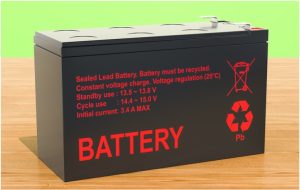
So, what are some of the benefits of a lithium leisure battery? For starters, they’re much lighter than traditional lead-acid batteries, so you’ll save on fuel costs when hauling them around. They also have a longer lifespan, so you won’t have to replace them as often. And because they can be charged and discharged more times than lead-acid batteries, you’ll never have to worry about being stranded without power!
How much do motorhomes cost?

That depends on a variety of factors, including the size and features of the unit. But in general, prices start around $50,000 and can go up from there. So if you’re thinking about investing in a lithium leisure battery for your motorhome, you can expect to pay a bit more upfront. But in the long run, you’ll save money on fuel and replacement costs!
So there you have it! Now that you know more about lithium leisure batteries and how much motorhomes cost, you can make an informed decision about whether or not this type of battery is right for you.
Why Invest In A Motorhome?

If you’re like most people, you probably think that motorhomes are only for retired couples or young families going on road trips. But what if I told you that motorhomes can be a great investment? Not only can they provide you with a comfortable place to live, but they can also be a great source of income.
One of the best things about motor homes is that they’re very versatile. You can use them for weekend getaways, long vacations, or even as a full-time residence. And because they’re so versatile, there’s a good chance that you’ll be able to find a buyer when it comes time to sell.
Another reason to invest in a motorhome is that they tend to hold their value very well. In fact, motor homes are one of the few types of vehicles that actually appreciate in value over time. So, If you’re looking for a long-term investment, a motor home is definitely worth considering. motor homes are a great investment because:
- They are versatile and can be used for weekend getaways, long vacations, or even as a full-time residence.
- They hold their value well and their prices are often appreciated over time.
- Motor homes can provide comfortable living quarters.
Disadvantages of Motorhomes

Of course, there are some disadvantages to owning a motorhome as well. For one thing, they can be quite expensive to maintain and repair. Additionally, motor homes can be difficult to maneuver, so you’ll need to be careful when driving them around tight corners or crowded areas.
Overall, though, the advantages of owning a motorhome far outweigh the disadvantages.
Things to consider when purchasing a lithium leisure battery for your motorhome

If you have a motorhome, then you know how important it is to have a good battery. Not only do you need it to start your engine, but you also need it to power all of the lights and appliances in your motorhome. A lithium leisure battery is a great investment for any motorhome owner. Here are some things to consider when purchasing a lithium leisure battery for your motorhome:
1. The size of the battery
You will need to make sure that the battery you purchase is the correct size for your motorhome. If it is too small, it will not be able to power all of the lights and appliances in your motorhome. If it is too big, it will be difficult to move around and could damage your motorhome.
2. Type of battery
There are two main types of lithium leisure batteries, sealed and gel. Sealed batteries are more expensive, but they do not require maintenance and will last longer. Gel batteries are less expensive, but they require regular maintenance and will not last as long.
3. The warranty
When purchasing a lithium leisure battery, be sure to check the warranty. Some companies offer warranties that cover the entire life of the battery, while others only offer limited warranties. Be sure to read the fine print before making your purchase.
Investing in a lithium leisure battery for your motorhome is a great way to ensure that you have a reliable power source for all of your needs. Be sure to consider all of the factors listed above before making your purchase.
In Conclusion
Lithium leisure batteries are the best investment for motorhome owners! Not only do they save on fuel costs, but they also have a longer lifespan and can be charged and discharged more times than lead-acid batteries. So if you’re thinking about investing in a lithium leisure battery for your motorhome, now is the time to do it!