

























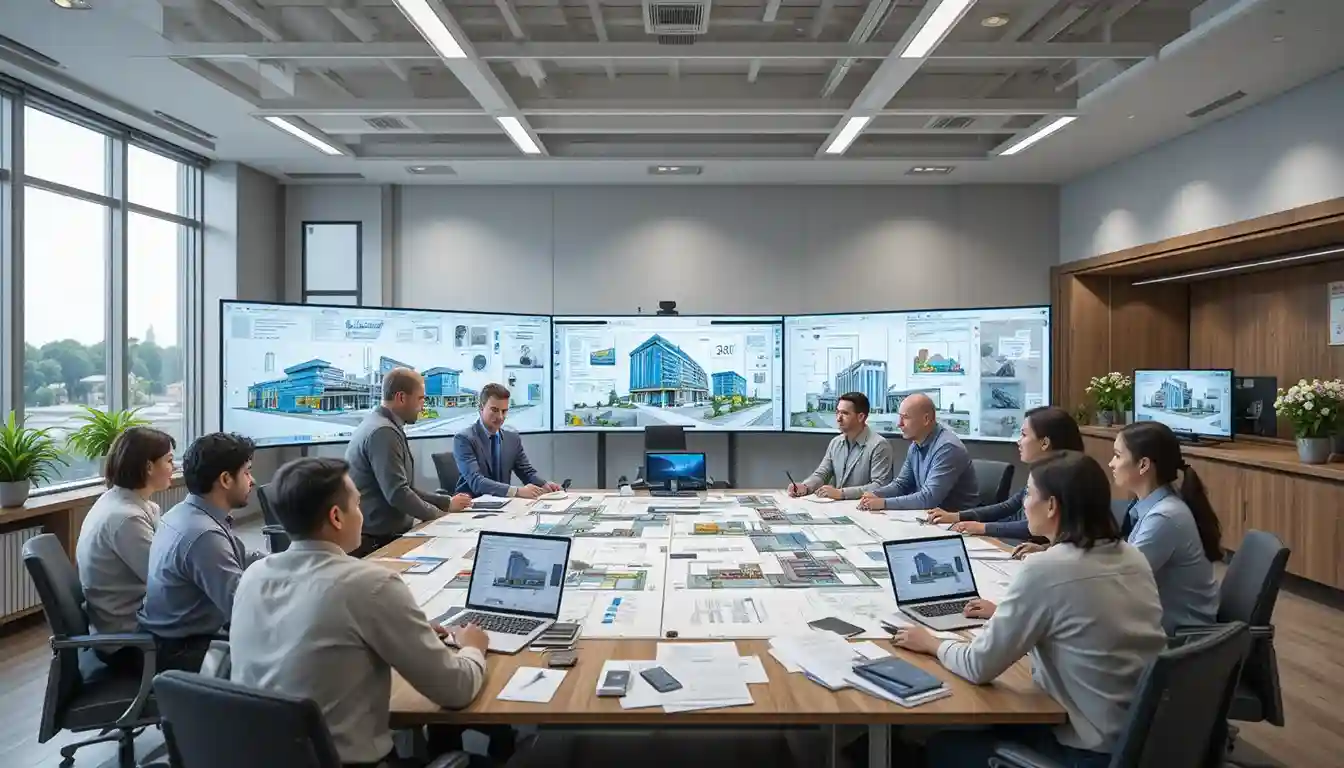
Most people see a finished building and think about the flashy bits first, the glass exterior, the fancy lobby, the massive cranes, maybe the final price tag if it made the news.
What they don’t see is the absolute madness happening behind the scenes long before the first brick even lands on-site. Honestly, construction planning is like putting together a giant puzzle where half the pieces keep changing every week.
There’s paperwork, budgeting, supplier drama, endless meetings, safety checks, legal stuff, weather issues, and about a thousand decisions happening all at once.
It’s not just someone drawing a building on a napkin and telling the crew to crack on. There’s a ridiculous amount of coordination involved, and if one thing goes sideways, the whole project can suddenly become a nightmare.
Why Are Building Projects Far More Complicated Than They Look?
The Planning Stage is Basically Controlled Chaos
 Before construction even starts, there’s a massive planning phase that can take months or sometimes years. This is where architects, engineers, surveyors, project managers, investors, and contractors all jump into the mix. Everyone’s got opinions, obviously.
First comes the concept stage. This is where the project idea gets thrown around and people work out whether it even makes sense financially and practically. Sounds simple, but it’s really not. A site might look perfect on paper, then someone discovers drainage problems, dodgy soil, or local regulations that completely wreck the original plan.
Feasibility studies become a huge part of the process. Basically, teams investigate whether the build is realistic, safe, profitable, and actually possible within the proposed timeline. Tiny details matter here. Really tiny details.
Then comes design development. This is where drawings start turning into proper technical plans. Not just pretty sketches either, actual blueprints covering structure, electrical systems, plumbing, ventilation, materials, access points, fire safety, and loads more.
At the same time, cost estimates start rolling in. And trust me, budgets can spiral fast if nobody’s paying attention. One design change can suddenly add tens of thousands of pounds to a project. Sometimes even more.
Materials Don’t Just Magically Appear
A lot of people forget how much manufacturing supports the construction world. Every single component has to come from somewhere, and sourcing materials becomes a project in itself.
One important player in all this is an injection moulding company. Loads of plastic components used in modern construction are made this way, from pipe fittings and insulation parts to electrical casings and ventilation components. It’s proper behind-the-scenes stuff that nobody notices until something goes wrong.
The process itself is pretty clever. Molten plastic gets injected into specially designed moulds under pressure, then cooled into durable shapes. Sounds industrial because it is. But without those parts, loads of modern buildings simply wouldn’t function properly.
And these manufacturers aren’t just pumping out random pieces either. Everything has to meet exact specifications, safety standards, and durability requirements. One small defect in a component can create massive issues further down the line.
That’s why suppliers and manufacturers often work closely with project teams from day one. Especially on larger developments where custom parts are needed.
Why Are Lightweight Materials a Big Deal?
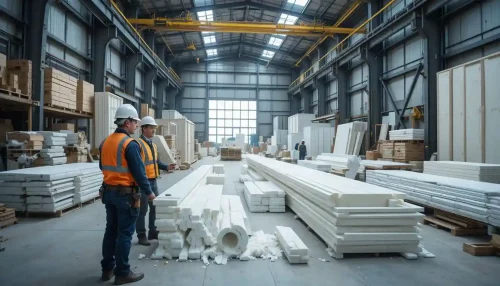 Modern construction has become obsessed with efficiency. Lighter materials, faster installs, lower transport costs, everyone’s chasing smarter solutions.
That’s where structural foam moulding comes into the picture. It’s basically a manufacturing method that creates components with a strong outer shell and a lighter foam-like inner structure. The result is surprisingly tough but much lighter than solid alternatives.
This matters way more than people think. Lighter components can reduce transportation costs, speed up installation times, and put less stress on structures overall. On large projects, those savings add up massively.
Plus, the durability is seriously impressive. Builders want materials that can handle wear, temperature changes, moisture, and constant use without falling apart after a few years.
A lot of commercial construction now relies heavily on engineered materials because they’re easier to work with while still ticking all the safety boxes. Practicality usually wins over tradition these days.
Tech Has Completely Changed Construction Planning
Construction used to rely heavily on paper drawings, endless phone calls, and hoping nobody lost important documents. Now? Everything’s gone digital.
Project management software is basically running the entire show behind the scenes. Teams can track budgets, timelines, deliveries, worker schedules, safety inspections, and design updates all in real time. Honestly, without tech, modern projects would probably collapse under their own complexity.
3D modelling has also changed the game massively. Architects and engineers can now create full digital versions of buildings before construction starts. This helps spot clashes early, like pipes running through steel beams or ventilation systems not fitting properly.
Small issue? Not really. Catching those mistakes early can save ridiculous amounts of money later on.
Drones are another thing becoming standard on larger sites. They’re used for inspections, progress tracking, surveys, and safety monitoring. Way quicker than sending someone climbing around dangerous structures.
Even artificial intelligence is starting to creep into construction planning now. Some systems can predict delays, analyse risks, or optimise material usage before problems happen.
Delays Happen More Than People Think
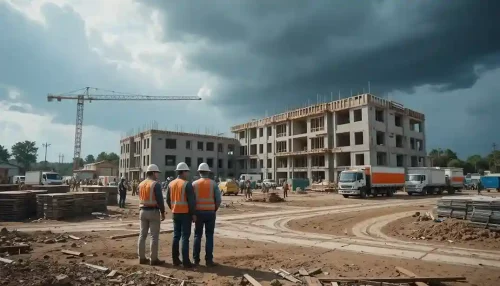 One of the biggest mistakes in construction planning is underestimating how many things can go wrong. Seriously, there’s always something.
Bad weather can shut down sites for days. Suppliers can suddenly run out of materials. Labour shortages can hit unexpectedly. Permits might get delayed by local authorities. Sometimes one late delivery creates a domino effect that wrecks the entire schedule.
And then there’s budgeting problems. Loads of projects start with optimistic numbers that don’t survive contact with reality. Material prices fluctuate constantly, especially these days. Fuel costs, shipping delays, and inflation all adds pressure.
That’s why experienced project managers spend loads of time building contingency plans. Basically, backup plans for the backup plans.
Risk management isn’t the glamorous side of construction, but it’s one of the most important. Teams constantly assess possible issues before they happen, trying to reduce the chances of disasters later on.
Communication also becomes massive during this stage. If departments stop talking properly, confusion spreads fast. One contractor thinks the schedule changed, another hasn’t been updated, and suddenly half the workforce turns up on the wrong day.
Construction planning looks chaotic from the outside because, honestly, sometimes it is. But when it’s managed properly, there’s an insane amount of strategy, coordination, and problem-solving happening every single day behind the scenes.