
























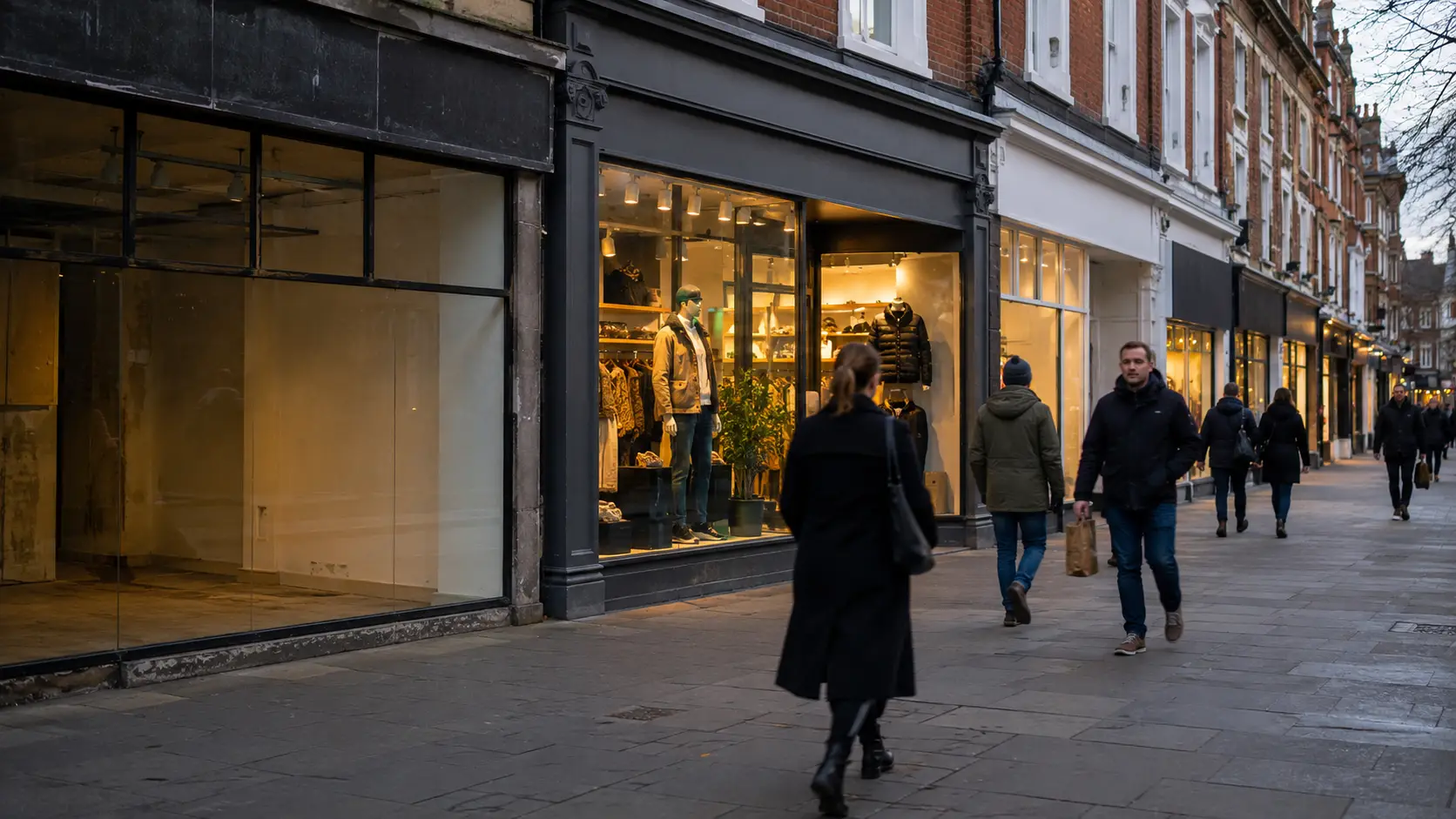
The UK is moving away from a transactional economy of buying things to an experiential economy of buying memories. Major stores are being shuttered, and clothing retail chains are closing down, but the building lights are not going out.
This is perfectly illustrated by the repurposing of some of the UK’s most famous retail real estate. Flagship department stores that once formed the backbone of British shopping are being completely reimagined as experiential playgrounds.
For instance, the former 100,000 sq ft Debenhams at Liverpool ONE was transformed into a massive entertainment complex, featuring indoor tracks and digital bowling alleys.
The former Debenhams in Southside Wandsworth, London, was also converted into a multi-attraction venue, featuring high-tech games, a Japanese noodle bar, and robots serving drinks to customers.
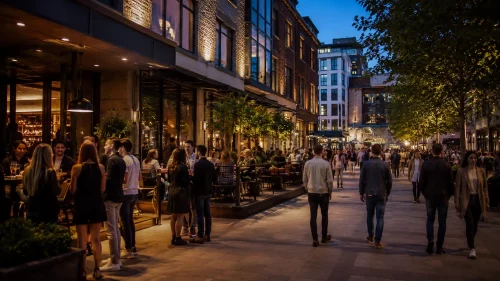
What nightlife meant to many is gradually transitioning from loud nightclubs and typical pubs to a new wave of urban entertainment.
These spaces appeal to a wider, more diverse demographic than old-school bars ever did, and it looks like this is the new reality for the British high street. But how did we get here?
What’s Driving This Disruption?
 A change in British consumer psychology is the main cause of this disruption. Millennials and Gen Z are prioritising shared memories and interactive social entertainment over buying physical goods.
This has not only changed the sector but has also affected the property market. For decades, landlords relied on standard upward-only retail leases. However, online shopping crippled this model, creating many empty premises.
As a result, landlords are actively pushing away from traditional retail stores because leisure spaces provide more stability. Entertainment hubs command higher commercial rental yields and owners of these spaces possess the capital to sign long-term leases.
These venues can function as anchor stores, driving consistent in-person traffic. Unlike typical chain stores that close after working hours, an entertainment hub captures a continuous cycle of consumer traffic.
They attract daytime corporate bookings, post-work happy hours, and late-night weekend crowds. There is also a ripple effect for the nearby businesses.
Local restaurants, transport links, independent cocktail bars, and convenience stores enjoy increased revenue from the secondary spending of leisure customers.
How Entertainment is Also Finding a Second Home Online?
As the popularity of entertainment hubs increases, brands that will survive the test of time are those that bridge the gap between physical outings and premium digital experiences.
Modern technology has enabled online entertainment hubs to mirror the high-energy, competitive environment of physical centres. This allows users to access similar immersive experiences from the comfort of their homes.
For instance, an online live lobby in a UK casino offers an equal to the traditional, land-based experience, from access to all tables to real-time interaction with dealers.
What Will the Next Era of Nightlife Look Like?
 Virtual reality entertainment has already gained popularity in the UK. Next, augmented reality and projection mapping are likely to be incorporated into digital games to ease the burden of carrying around clunky VR headsets.
Future entertainment hubs will eventually leverage AI and mobile app ecosystems to track player profiles across cities. For example, a customer’s scores, beverage preferences and loyalty rewards will follow them digitally from a venue in London to one in Manchester.
In a quest to maximise output, property developers are abandoning single-use buildings.
The future belongs to hybrid venues that function as premium co-working spaces or art cafes by day, and seamlessly transition into high-energy leisure hubs, gaming lounges or event spaces by night.
Future entertainment landmarks will also prioritise green construction, effective waste handling practices for food and beverage, and energy-efficient digital infrastructure to appeal to environmentally conscious customers.