






















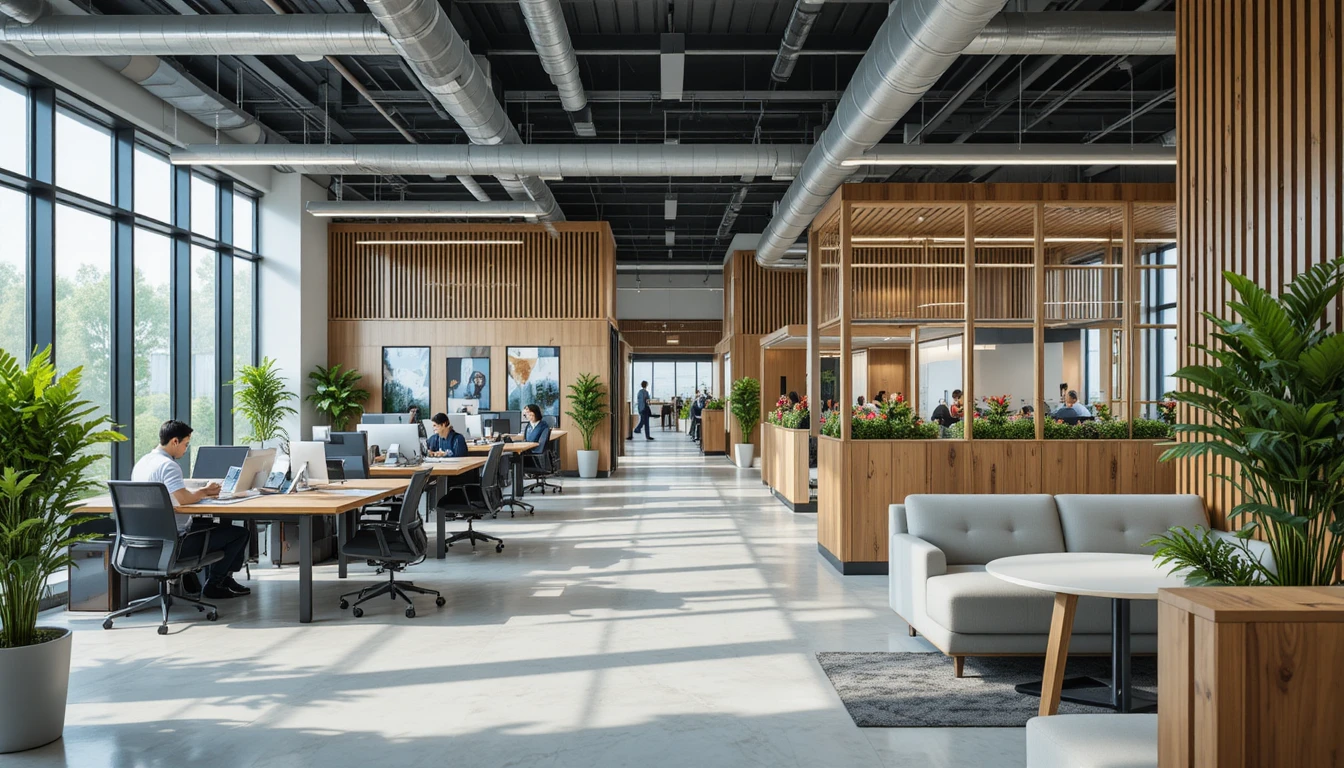
The modern office is no longer just a room filled with desks and chairs. For companies looking to boost productivity and retain top talent, the layout of a workspace has become a core business strategy. As organizations shift away from rigid cubicles toward open, collaborative environments, the choices made in interior design carry significant weight.
Every piece of furniture and every layout decision speaks volumes about a company’s culture and its future direction. Investing in the right physical environment is no longer an afterthought; it is a direct driver of corporate success.
How Can Workspaces Balance Collaboration and Deep Focus?
 Balancing Collaboration and Deep Focus
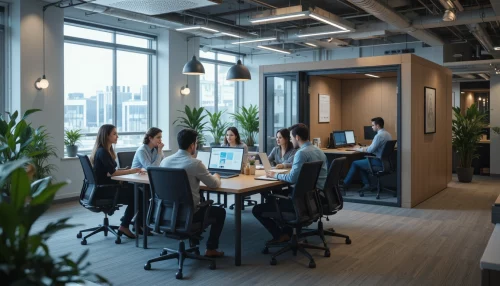
Creating an effective workspace requires a delicate balance between social interaction and quiet concentration. Open-plan layouts are excellent for team brainstorming and spontaneous chats, but they often fail when employees need to focus on complex tasks without distraction.
To solve this problem, modern companies are designing hybrid spaces that feature both open communal tables and private acoustic pods.
Choosing a hybrid setup over a completely open floor plan prevents the drop in productivity that often comes with constant noise. While open spaces build community, quiet zones protect the mental energy required for deep, analytical work.
Selecting the Right Partners for Office Transformations
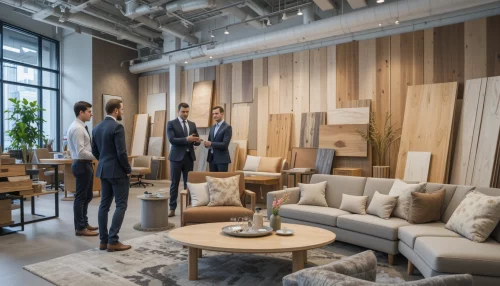 When it comes to manufacturing and sourcing office furniture, the decision often comes down to choosing between mass-produced, cheap options or sustainable, high-quality pieces. Forward-thinking businesses are increasingly choosing circular furniture manufacturers like Vepa to furnish their headquarters.
Opting for sustainable, locally manufactured furniture reduces a company’s carbon footprint and ensures that the products are built to last.
On the downside, the initial financial investment for sustainable furniture is usually higher than that of buying budget alternatives. However, the long-term benefits, such as fewer replacements and a stronger corporate reputation, far outweigh the upfront costs.
Incorporating Natural Elements Into Technical Environments
Bringing nature into the workspace, also known as biophilic design, is a growing trend that goes beyond simply placing a few plants on a windowsill. Progressive companies are integrating living green walls, natural wood textures, and advanced lighting systems that mimic natural daylight.
Industry experts often point out that employees working in spaces with natural elements report a 15% higher level of well-being compared to those in sterile environments.
The downside of this approach is the ongoing maintenance required to keep plants healthy and systems running. Yet, the pros of reduced stress levels and cleaner indoor air make it a highly valuable choice for high-pressure corporate offices.
Cultivating a Unique Brand Identity Through Interior Choices
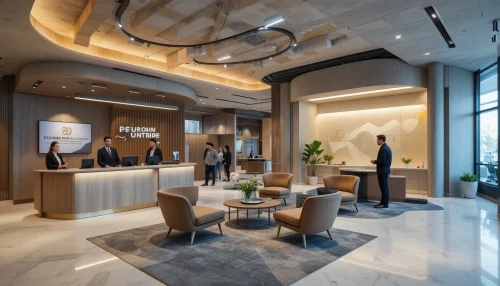 An office should tell the story of the brand that occupies it. When clients or potential hires walk through the door, the visual environment should immediately communicate the company’s core values.
For example, a tech firm might use sleek, minimalist steel and bold geometric shapes, while a heritage brand might lean toward warm tones and classic textures.
Relying on a generic, pre-designed office package might save time during a move, but it ultimately leaves the space feeling cold and anonymous. Customizing the interior to match a specific brand identity builds a sense of pride among workers and leaves a lasting impression on visitors.
The process of designing a commercial workspace involves a continuous series of strategic choices. From choosing sustainable furniture over cheap alternatives to balancing noisy collaborative areas with quiet zones, every detail impacts daily operations.
Ultimately, a well-planned office is an investment in human capital. By prioritizing quality, sustainability, and functionality, businesses can create an environment where people truly want to show up and do their best work every day.



