


























Picture a Tuesday evening in a Manchester flat. The dinner plates are drying on the rack, the laptop is still warm from a few hours of freelance design work, and a small payment notification has just lit up the screen.
That extra £80 from a logo job feels good, but the bigger question is what happens to it next. For a growing slice of the UK workforce, the line between earning a little extra and spending a little extra has become the defining money story of modern life.
That tension between topping up income and enjoying it sits at the heart of how leisure money now moves online.
People who run weekend e-commerce shops or drive for delivery firms often fund their downtime through the very same digital habits they use for work, and a fair number end up exploring casinos not on gamstop, which are gaming sites licensed outside the British scheme that lets players block access to UK-regulated venues.
These sites tend to draw interest because they offer wider game libraries, generous bonus structures, flexible payment options including crypto, and their own built-in responsible play settings. For readers weighing where leisure income goes, understanding what these venues are, and why some people deliberately seek them out, matters as much as understanding the side hustle that paid for them.
Why Does Side Hustle Income Often End Up Funding Leisure?
The Side Hustle Boom and Its Spending Shadow
 The UK side hustle economy has exploded over the past few years. Etsy sellers, dropshipping operators, freelance copywriters on Upwork, and part-time Deliveroo riders have turned spare hours into genuine secondary income.
Personal finance forums and money-saving blogs are full of step-by-step guides on launching a small venture for under £100. Yet far less attention goes to what happens after the money lands. Every extra pound earned is also a pound that can be saved, reinvested, or spent on enjoyment.
Behavioural economists have long noted that money earned through effort outside a main job often feels psychologically “different” looser, more disposable, almost like a bonus rather than a wage. That mental accounting helps explain why so much side hustle income flows straight into leisure rather than savings accounts.
Where does the Leisure Pound Actually Go?
Take a typical month for someone running a small reselling business on Vinted or eBay. After fees and postage, perhaps £200 lands in their account. A chunk might cover a streaming bundle, Netflix, Spotify, maybe a Premier League pass. Some goes on a meal out, a gig ticket, or a weekend in the Lake District.
Increasingly, a portion also heads towards interactive online entertainment, from mobile gaming and esports subscriptions to social betting pools during major tournaments.
Research into the link between spending and identity suggests that the urge towards conspicuous consumption is shaped heavily by social context and the groups people compare themselves with.
The point is that leisure spending has fragmented. It no longer means a single big purchase but dozens of small, frictionless taps spread across apps.
Crypto wallets and digital banking tools such as Revolut and Monzo have made those micro-spends almost invisible, which is exactly why tracking where the side hustle money goes has become so tricky for ordinary households.
The Psychology of Showing Off, and Spending More
 There is a deeper economic pattern at play here, too. When people gain a little extra spending power, they often want others to notice.
Academic work on status and visible spending explores how individuals use purchases to signal where they sit in a social pecking order. A new gadget, a designer trainer, a flashy night out, these are not just enjoyed, they are displayed.
That instinct travels surprisingly well into the digital realm. Leaderboards, badges, and shareable wins all tap into the same desire to be seen succeeding. For side hustlers chasing both income and recognition, that combination can be a powerful, and occasionally costly motivator.
Why Do Spending Patterns Concentrate?
Not all leisure spending is spread evenly. A small group of high spenders tends to account for a disproportionate share of revenue across many entertainment sectors, from gaming to nights out. Detailed analysis on businesses reliant on top spenders shows how heavily certain industries lean on a minority of their most active customers.
The same dynamic appears in side hustle culture. A few sellers dominate marketplaces, a handful of creators earn most of the affiliate commissions, and a thin slice of users drives much of the online leisure economy.
Understanding this concentration helps explain why so much marketing targets repeat, high-value behaviour, and why responsible spending tools have become a standard feature across reputable entertainment sites, including limits, cooling-off settings, and activity dashboards.
Building a Healthier Money Loop
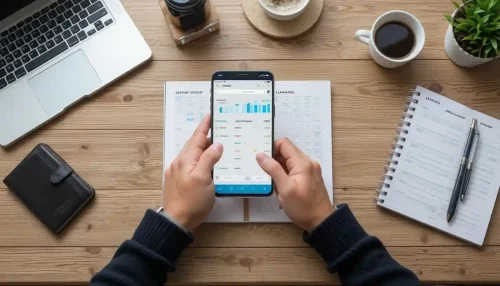 So how does someone keep the cycle balanced? The smartest approach treats side hustle income with the same discipline as any other money. That might mean automatically diverting a fixed percentage into savings or an ISA, reinvesting some into growing the venture, and ring-fencing a clearly defined leisure budget that never spills over.
The tools already exist. Budgeting apps can label income by source, separate “fun money” pots can cap discretionary spending, and crypto wallets can be set up with deliberate friction to slow impulsive transactions. Setting a firm leisure allowance before the money even arrives turns enjoyment into a planned reward rather than an afterthought.
The Manchester freelancer with the £80 logo payment has plenty of choices. The real win is not in earning that extra income or in spending it, it is in deciding, calmly and in advance, exactly how much of it gets to have fun.