























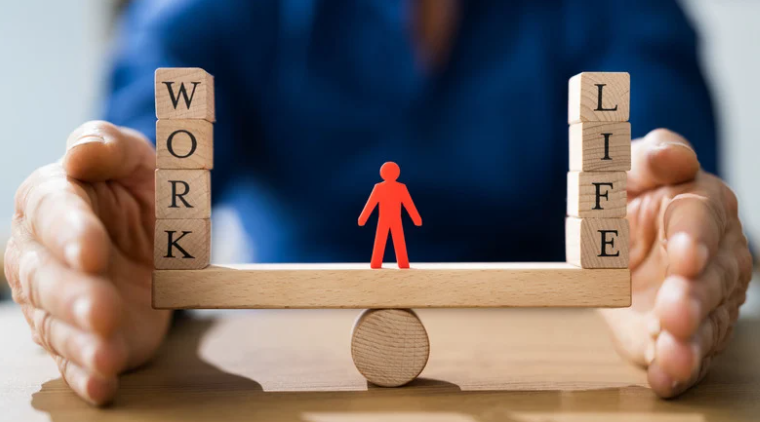
Work-life balance is increasingly important for professionals managing busy schedules, flexible working arrangements and constant digital communication.
It is not simply about dividing every day equally between work and personal activities. Instead, it involves creating sustainable boundaries that allow people to meet professional responsibilities without consistently sacrificing their health, relationships or personal time.
The scale of work-related pressure makes this particularly important. Health and Safety Executive figures show that 964,000 workers in Great Britain experienced work-related stress, depression or anxiety in 2024/25, resulting in 22.1 million working days being lost.
For busy professionals, improving work-life balance often comes down to practical changes such as setting clearer boundaries, prioritising important work, protecting recovery time and making better use of flexible working arrangements.
Setting Boundaries & Priorities
Clear boundaries can prevent work from gradually taking over evenings, weekends and other personal time. Professionals should establish realistic working hours wherever possible and decide when they will stop checking emails, messages and work platforms.
Prioritisation is equally important. Rather than treating every task as urgent, professionals can identify work according to its importance, deadline and impact. Less important tasks can be delegated, postponed or removed where appropriate.
The NHS also recommends identifying what is causing workplace stress and focusing on circumstances that can realistically be changed. Setting boundaries and switching off from work is particularly important for people working from home.
Practical approaches include:
- Setting A Clear Start And Finish Time
- Scheduling Important Tasks During Productive Hours
- Taking Proper Lunch And Screen Breaks
- Avoiding Routine Work Emails During Personal Time
- Discussing Unrealistic Workloads Before They Become Persistent Problems
The Importance Of Self-Care
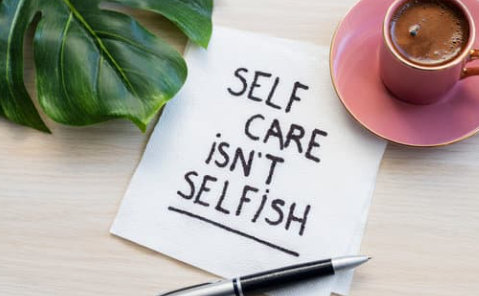
Self-care should be treated as part of maintaining sustainable performance rather than something reserved for periods when work becomes overwhelming. Regular sleep, physical activity, nutritious meals, social contact and time away from work can all contribute to better physical and mental wellbeing.
The NHS advises people experiencing stress to identify its causes and avoid relying on unhealthy coping habits. Its current guidance also recommends working smarter by prioritising the tasks that make the greatest difference rather than attempting to complete everything at once.
Professionals should also pay attention to warning signs such as persistent exhaustion, difficulty concentrating, irritability, disrupted sleep or feeling unable to switch off. If work-related stress continues for a prolonged period or begins affecting everyday life, further support may be appropriate.
Harness The Power Of Technology
Technology can improve work-life balance when it reduces unnecessary work rather than creating expectations of constant availability. Calendars, task managers, shared project platforms and reminder tools can help professionals organise workloads and protect time for focused work.
Time blocking can also help by allocating specific periods for meetings, emails, concentrated work and breaks instead of constantly switching between tasks.
At the end of the working day, professionals can use notification settings, scheduled “Do Not Disturb” periods and separate work profiles to reduce unnecessary interruptions.
For remote and hybrid workers, shutting down work devices and ending the working routine at a consistent time can create a clearer transition into personal life.
The NHS recommends maintaining a routine when working from home and stopping work when the working day finishes, including stepping away from emails and concentrating on home life.
Enjoy Life To The Fullest

Personal time should not consist only of recovering enough to return to work the following day. A sustainable work-life balance includes regular opportunities for hobbies, friendships, family activities, exercise, travel or simply having uninterrupted time to relax.
Small periods of enjoyable activity can also make demanding weeks easier to manage. This could mean meeting a friend after work, taking a walk, reading, exercising or dedicating an evening to a hobby without checking work messages.
Current NHS wellbeing guidance recommends making time for enjoyable activities and taking greater control of personal time as practical ways to manage stress and improve wellbeing.
The aim is not to create another demanding schedule outside work. Personal time should provide genuine recovery, enjoyment and connection rather than becoming another list of tasks to complete.
Cultivating A Supportive Environment
Surround yourself with people who understand the importance of work-life balance and support your goals. This includes friends, family, and coworkers.
Share your goals with them and ask for their support in helping you maintain boundaries and prioritise self-care. A strong support system can help you stay on track and create a balanced life.
Be Mindful Of Transitions
Transitioning between work and personal life can be challenging, especially for busy professionals who may have trouble “switching off” after work. Establish rituals or routines to signal the end of your workday to make these transitions smoother, such as changing clothes, walking, or meditating.
This will help your mind shift gears and fully immerse yourself in your personal life.
Flexibility & Adaptability
Flexible working can make it easier for some professionals to manage work alongside commuting, childcare, caring responsibilities, appointments and other demands.
Depending on the role, options may include flexible start and finish times, part-time hours, compressed hours, hybrid working or remote working.
In Great Britain, employees currently have a statutory right to request flexible working from their first day of employment. Employees can make up to two statutory flexible working requests within a 12-month period, and employers generally have two months to reach a decision.
Flexible working does not automatically create good work-life balance, however. Someone working remotely can still experience long hours and constant availability. The most effective arrangements provide genuine flexibility while maintaining clear expectations around workloads, availability and communication.
CIPD guidance updated in June 2026 notes that quality flexible working can support employee wellbeing and work-life balance as well as job satisfaction and retention.
Celebrate Your Achievements

Lastly, it’s essential to recognise and celebrate your big and small achievements. Acknowledging your accomplishments and taking the time to appreciate your efforts will help you stay motivated and focused on maintaining a work-life balance.
Celebrate with friends, family, or coworkers, and enjoy the satisfaction of achieving a healthy balance.
Wind-Up Lines
In conclusion, achieving work-life balance is an ongoing process that requires dedication, self-awareness, and support from those around you.
Busy professionals can successfully balance their professional and personal lives by setting boundaries, prioritising self-care, and utilising various strategies.
Conclusion
Achieving a healthy work-life balance is an ongoing process rather than a one-time change. Clear working boundaries, realistic priorities, regular recovery time, sensible use of technology and suitable flexible working arrangements can all help busy professionals create a more sustainable routine.
The right balance will differ between people and may change as careers and personal responsibilities develop. Regularly reviewing workloads, personal wellbeing and time commitments can help ensure professional success does not consistently come at the expense of life outside work.
FAQs
1. What Is A Healthy Work-Life Balance?
A healthy work-life balance allows someone to meet their work responsibilities while still having sufficient time and energy for rest, relationships, health and personal interests.
2. How Can Busy Professionals Improve Work-Life Balance?
Setting working hours, prioritising important tasks, taking regular breaks and avoiding unnecessary work communication outside those hours can provide a practical starting point.
3. Why Is It Difficult To Switch Off From Work?
Remote working, smartphones and workplace messaging can make employees feel continuously available. Clear notification and communication boundaries can help create separation.
4. Can Flexible Working Improve Work-Life Balance?
Yes. Flexible hours, hybrid working or other arrangements can help some employees manage personal responsibilities, although the benefits depend on workload and workplace expectations.
5. Do UK Employees Have A Right To Flexible Working?
Employees in Great Britain currently have a statutory right to request flexible working from their first day of employment, although employers can refuse requests for permitted business reasons.
6. What Are Signs That Work-Life Balance Needs Attention?
Persistent tiredness, difficulty switching off, disrupted sleep, irritability and feeling constantly overwhelmed by work can indicate that existing boundaries or workloads need reviewing.
7. How Often Should Someone Review Their Work-Life Balance?
There is no fixed schedule, but it is sensible to reassess it whenever workloads, working arrangements, family responsibilities or stress levels change significantly.