
























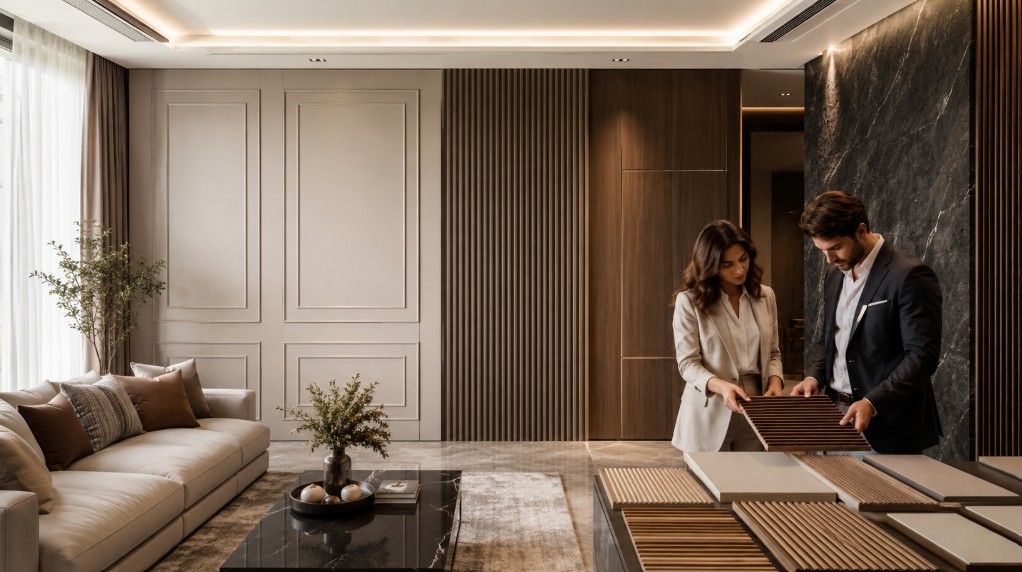
Choosing the right interior wall cladding is one of the most effective ways to transform the look and feel of a home or commercial space. Wall cladding is no longer just a practical finishing material, it has become a key interior design feature that adds texture, depth, and character to otherwise plain walls.
With modern MDF moulding systems now widely available, homeowners and designers have more flexibility than ever when creating stylish and durable interiors.
For many property owners, the challenge is not whether to use wall cladding, but how to choose the right style, material, and finish for their specific space.
The wrong choice can make a room feel unbalanced or outdated, while the right choice can elevate an interior and add long-term value to the property. Understanding the key considerations behind interior wall cladding selection is essential for achieving a professional and lasting result.
Understanding Interior Wall Cladding
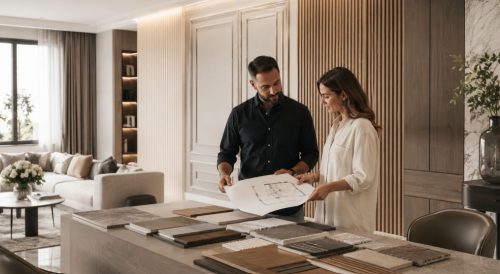 Interior wall cladding refers to decorative or protective panels that are fixed to interior walls to enhance appearance and performance. Traditionally used for protection in high-traffic areas, it is now widely used in residential and commercial interiors as a design feature.
MDF moulding systems in particular have become popular because they offer a smooth finish, versatility, and cost-effective installation compared to solid timber alternatives.
Modern MDF wall cladding can be used to create a wide range of styles, from classic panelled walls to contemporary slatted feature walls. It can be painted in any colour, allowing complete creative control over the final aesthetic.
This adaptability makes MDF one of the most widely used materials in modern interior design projects, making it MR Mouldings suggested practical option for both residential and commercial projects, ensuring a professional and consistent finish.
Considering the Purpose of the Room
When selecting interior wall cladding, the first consideration should always be the purpose of the room. Different spaces require different design approaches depending on how they are used and the atmosphere you want to create.
For example, living rooms often benefit from warm, textured cladding that adds comfort and visual interest, while bedrooms may require softer, more calming designs that promote relaxation.
In contrast, hallways and entrance areas often need more durable and impact-resistant finishes due to higher levels of foot traffic. In commercial environments such as offices or retail spaces, wall cladding is often used to create a professional and branded appearance while also protecting walls from wear and tear.
By considering how a space is used on a daily basis, it becomes easier to select a wall cladding style that is both practical and visually appropriate.
Choosing the Right Material
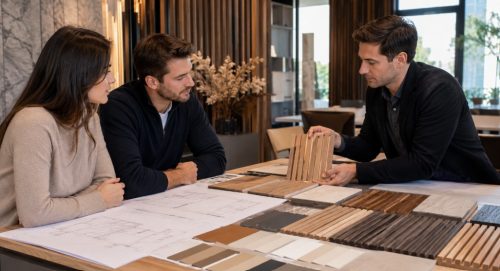 Material selection plays a crucial role in determining both the appearance and performance of interior wall cladding. MDF moulding systems are one of the most popular choices due to their affordability, smooth surface, and ease of installation. MDF is particularly well suited for painted finishes, allowing for a seamless and modern look.
Compared to natural timber, MDF provides a more consistent finish without knots or grain irregularities. This makes it ideal for achieving clean, contemporary designs. It is also easier to cut and shape, which allows for more intricate moulding patterns and customised wall designs.
However, it is important to ensure that MDF is properly sealed and finished, especially in areas where moisture may be present. When installed and treated correctly, MDF wall cladding can offer long-lasting performance and an excellent aesthetic finish.
Selecting the Right Style and Design
The style of wall cladding you choose will have a significant impact on the overall feel of your interior space. Traditional panelled designs can add a sense of elegance and structure, making them ideal for period-style homes or more formal interiors.
On the other hand, modern slatted or geometric MDF designs can create a bold, contemporary look that suits minimalist or modern spaces.
It is also important to consider proportions when selecting a design. Large panels can make a room feel more spacious and open, while smaller, more detailed designs can add depth and character to feature walls. The key is to strike a balance between visual impact and harmony within the overall interior scheme.
Colour choice also plays a major role in how wall cladding is perceived. Neutral tones can create a subtle, sophisticated look, while darker colours can add drama and contrast. Painted MDF cladding offers complete flexibility in this regard, allowing homeowners to adapt their interiors over time without replacing the structure itself.
Matching Wall Cladding with Existing Interiors
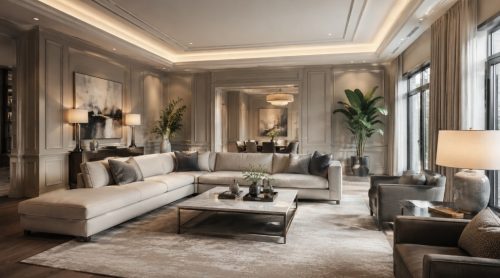 One of the most important aspects of choosing interior wall cladding is ensuring it complements the existing design of the space. Flooring, furniture, lighting, and architectural features should all be considered when selecting a cladding style.
In cohesive interior design, wall cladding should feel like a natural extension of the room rather than an isolated feature. For example, pairing modern MDF wall panels with minimalist furniture and neutral flooring creates a clean, unified look. In contrast, combining traditional moulded cladding with period features can enhance a classic interior style.
Consistency in materials and finishes helps create a balanced aesthetic that feels intentional and professionally designed. This is particularly important in open-plan spaces where multiple areas need to work together visually.
Practical Considerations and Installation
While design is important, practical considerations should not be overlooked when choosing interior wall cladding. Installation method, maintenance requirements, and durability all play a role in determining the suitability of a product.
MDF moulding systems are generally straightforward to install, especially when using modern pre-cut or modular systems. This makes them a popular choice for both professional installers and DIY projects. However, accurate measurement and preparation are essential to ensure a smooth and professional finish.
Maintenance is also relatively simple, as painted MDF surfaces can be cleaned and repainted as needed. This makes it a flexible long-term solution for changing interior styles without requiring full replacement.
The Benefits of MDF Wall Cladding
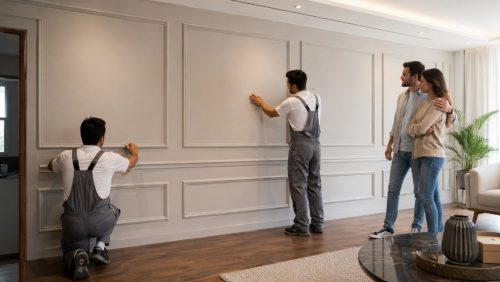 MDF wall cladding offers a range of benefits that make it one of the most popular choices in modern interior design. It is cost-effective compared to solid wood alternatives, while still providing a high-quality finish. Its smooth surface makes it ideal for painted finishes, allowing complete design flexibility.
It is also highly versatile, suitable for both traditional and contemporary interiors. Whether used to create feature walls, full-room cladding, or subtle decorative accents, MDF moulding systems can be adapted to suit almost any design requirement.
In addition, MDF is widely available and easy to work with, making it a practical option for both residential and commercial projects. When supplied by specialist manufacturers such as Label Metrics, quality and consistency are ensured across all components, helping to achieve a professional final result.
Avoiding Common Mistakes
One of the most common mistakes when choosing interior wall cladding is selecting a design that overwhelms the space. While bold feature walls can be effective, they must be balanced with the rest of the interior to avoid creating a cluttered appearance.
Another mistake is failing to consider lighting. Wall cladding interacts heavily with light and shadow, particularly in textured or slatted designs. Poor lighting can reduce the impact of even the highest quality materials, while well-planned lighting can enhance depth and visual interest.
It is also important to avoid choosing materials that are unsuitable for the environment. For example, untreated MDF should not be used in areas with high moisture levels without proper sealing and protection.
Conclusion
Choosing the right interior wall cladding requires careful consideration of material, style, function, and overall design harmony. MDF moulding systems offer a flexible and cost-effective solution that can be adapted to a wide range of interiors, from modern minimalist spaces to traditional homes.
By understanding the purpose of the room, selecting appropriate materials, and ensuring consistency with existing interiors, homeowners and designers can achieve a professional and visually appealing result.
When installed correctly, interior wall cladding not only enhances the aesthetic value of a space but can also increase its long-term appeal and functionality.
For those looking to upgrade their interiors with a reliable and stylish solution, MDF wall cladding remains one of the most versatile and effective choices available today.